Wire Harness Application Guide: Building Temperature Control & Appliance Projects
Wire Harness Application Guide: Building Temperature Control & Appliance Projects
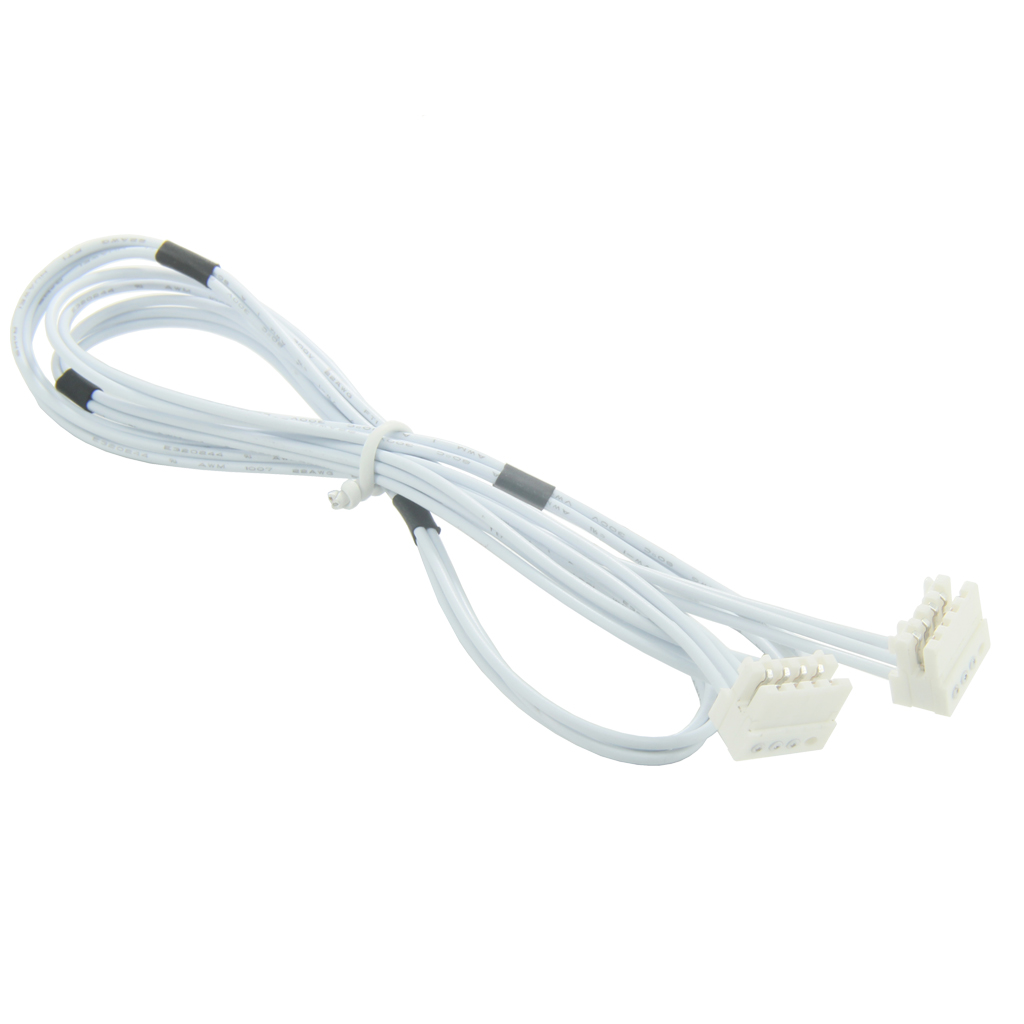
Building temperature control equipment and household appliance projects are usually treated as two separate buying problems. In practice, they run on one harness platform: a custom assembly built to the equipment maker's drawing, fitted with the specified connector, tested before shipment and delivered as a repeatable item. In both project types the harness provides device connection and internal connection of the device. It is the physical path between equipment ports, PCB interfaces, signal control modules, power control modules and the internal functional components that make the equipment work.
What separates the two verticals is the weight given to each requirement, not the platform itself. A temperature control unit installed outdoors and running around the clock pulls waterproofing, high-temperature resistance and shielding to the front of the specification. A household appliance built in volume pulls connector consistency, terminal crimp quality and repeatability to the front. Both can still call for a complex custom wiring harness, optional flame-retardant construction, low smoke and halogen-free materials, and processing strictly from the customer's drawing.
This guide covers both verticals together because most project teams specify them with the same document set and the same supplier conversation, and because the same requirement stack is simply re-weighted between them.
What the harness does in a temperature control or appliance project
In both project types the answer is identical: the harness provides device connection and internal connection of the device. What changes is how much of the assembly is external and how much stays inside the enclosure.
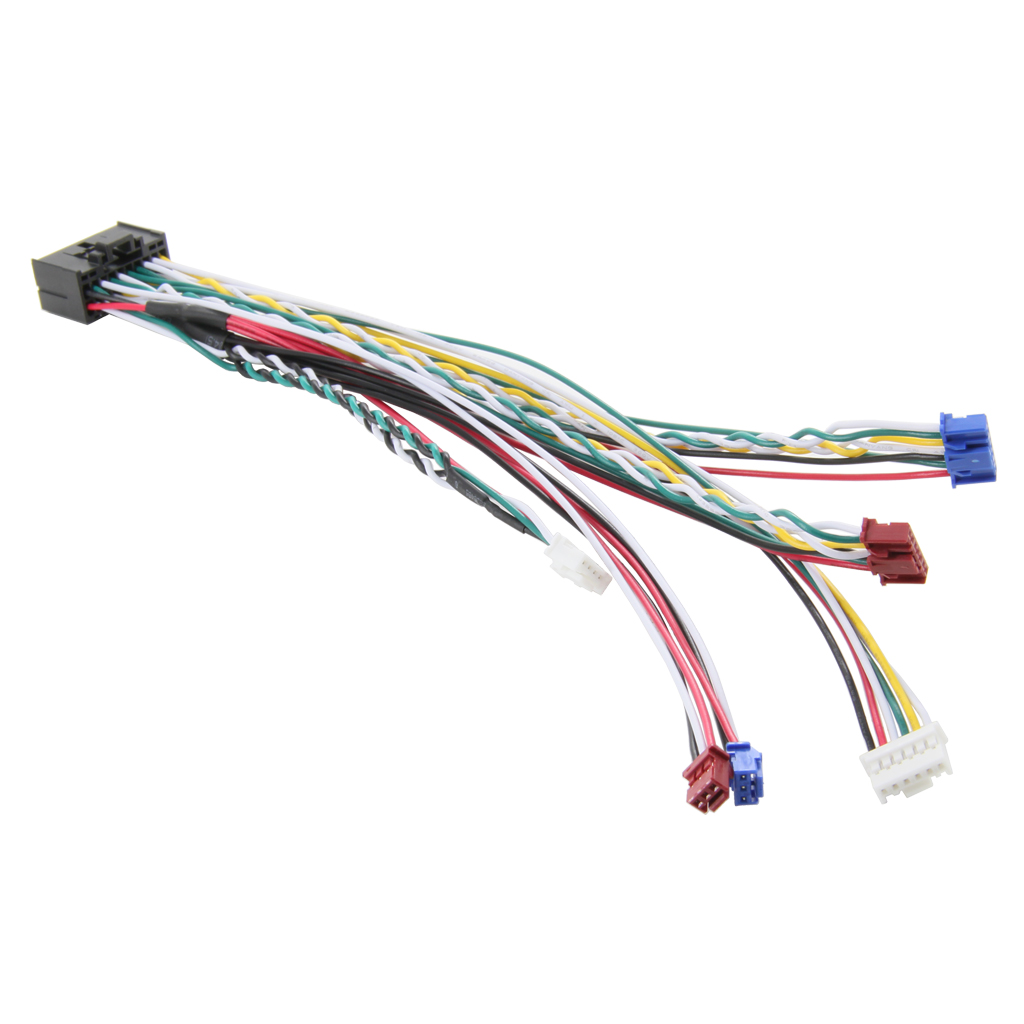
Device connection is the link between the equipment and the rest of the installation — from a controller to a port, from a module to a terminal block, from one unit to another. Internal connection is the wiring inside the housing: board to module, module to functional component, power inlet to the power control path. A single assembly often does both, with branches that leave the housing and branches that never do.
That dual role is why a harness is not a catalogue purchase in these projects. The connector at the end of a branch decides whether the assembly mates with an equipment port or a PCB interface. The wire specification decides whether a circuit carries power or signal. The branch geometry decides whether the assembly can be routed inside a crowded appliance chassis. None of these can be settled by a part number alone; they are settled by the drawing.
The interface map: what the harness must mate with
Because the harness has to mate with the equipment it serves, the interface list is the first page of any specification. Five interface families appear repeatedly in these two verticals.
| Interface family | Function in the assembly | What the drawing should state |
|---|---|---|
| Equipment ports | External device connection; the harness terminates at a port, plug or terminal block | Connector brand and part number, pin count, keying, strain relief |
| PCB interfaces | Board-level connection for control and power distribution | Connector series, pin definition such as Power+ or GND, wire gauge per pin |
| Signal control modules | Low-power control and sensor paths | Wire type such as UL1007, gauge such as 28AWG, colour code per circuit |
| Power control modules | Current-carrying paths inside the equipment | Wire gauge, termination method, colour distinction from signal circuits |
| Internal functional components | Fans, valves, heaters, switches, lamps and other internal loads | Branch length, branch position, minimum branch distance from the connector |
Two drawing rules prevent most assembly errors in this interface layer. First, when the same connector type sits in adjacent locations, differentiate the instances by colour. Second, whenever a loop branches, dimension every branch length and keep a minimum distance of 30 mm from any branch to the connector. Both rules exist for the same reason: an electrically correct harness can still fail to fit.
Industry background: why these two verticals need their own guidance
Precedence Research estimated the global wire harness market at USD 99.58 billion in 2024, with Asia Pacific holding a 46% share of that market in the same year. Published growth rates for the same market differ between research houses, so no growth figure is used here; the 2024 estimate is quoted only to indicate scale.
Inside that market, the automotive segment was reported as the dominant end-user segment in 2024, with electric vehicles requiring more complex harness architectures (Future Market Insights). Automotive volume has driven much of the tooling and process discipline in the harness industry. Building temperature control and household appliance projects benefit from that discipline but buy differently: smaller batches per part number, more drawing revisions, and a requirement set that changes from one installation type to the next.
Acceptance criteria are the second piece of context. IPC/WHMA-A-620 is the industry-consensus standard for requirements and acceptance of cable and wire harness assemblies, and it defines three product classes. A buyer who needs a specific class should name it in the purchase documentation rather than assume it, because the class changes what is inspected and what is accepted.
Trade classification is a smaller but practical point. HS code 8544.30 covers ignition wiring sets and other wiring sets of a kind used in vehicles, aircraft or ships (UN Statistics Division), which does not describe every harness used in a building control panel or a household appliance. Importers should confirm the classification of a specific assembly with their customs broker instead of copying a code from an adjacent product category.
The special requirement stack, explained
Both verticals draw from the same stack. It is not a wish list: each element changes material, tooling, inspection or documentation, so each one should be justified by the installation rather than added by habit.
Complex custom wiring harness
Both project types are drawing-driven. Harnesses for these applications are customised according to the customer's drawings rather than selected from a fixed model list; the product definition is custom-made, with no fixed model number. The buyer supplies connector brand and part number, wire type and gauge, colour, wire definition and lengths. Where an assembly has multiple branches, several connector families or a mix of power and signal circuits, the complexity sits in the drawing rather than in assembly time.
High-temperature resistance
Where a harness runs close to a heat source inside the equipment, or where the enclosure itself runs hotter, high-temperature resistance becomes a material decision rather than an optional upgrade. The available compounds — PVC, XL-PE, TPE, TPU and TEFLON — behave differently under heat, and the choice has to be made against the condition at the harness location, not the ambient rating of the room. The buyer's job is to describe the condition; the supplier's job is to propose a material that fits it.
Shielding
Shielding is specified when a circuit needs protection from interference or when the assembly itself must not radiate. In these projects it appears most often on signal and control paths that share a route with power circuits, and in multi-core shielded cable harness constructions where several conductors sit under one shield. Shielding changes termination, drain-wire handling and inspection, so it should be listed only where the circuit genuinely needs it.
Flame-retardant, optional
Flame retardancy is listed as optional in this application set, which is the correct way to treat it: a property to be selected where the end product's construction, enclosure material or internal spacing calls for it. Keeping it optional prevents cost being added to every part number in a family when only some variants need it.
Low smoke and halogen-free
Low smoke and halogen-free construction is a separate requirement from flame retardancy, and the two should be written on separate lines. These materials are selected where the consequences of a fire inside the equipment matter beyond flame spread, for example where the enclosure sits in an occupied space. Writing “FR” on a drawing does not deliver low smoke and halogen-free performance; the material has to be named.
Waterproof
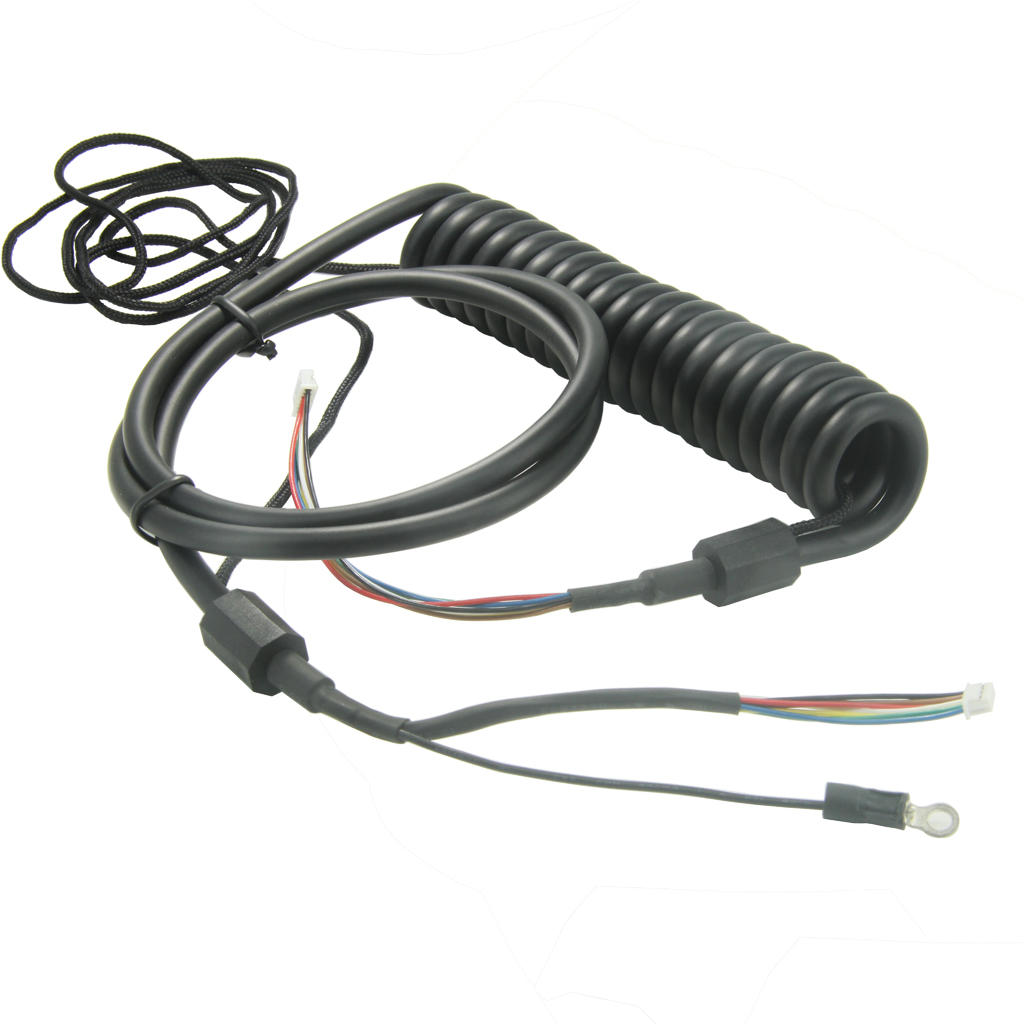
Waterproofing is decisive in outdoor installations, in equipment that is washed or cleaned, and in humid or coastal environments. It is a property of the whole assembly, not of the connector alone: the sealing path includes the connector interface, the wire exit, any overmould or sleeve, and the way the harness is fixed inside the housing. A waterproof connector on a harness with an open bundle end does not make the assembly waterproof.
Support for drawing-based processing
Drawing-based processing is the requirement that makes the other six work. The supplier builds to the drawing, and the drawing is the only document both sides can inspect against. Where the drawing is silent — colour, pin function, branch length — the assembly will be built to an assumption.
Building temperature control projects: where the requirements concentrate
A building temperature control project usually combines a controller, one or more sensor or signal paths, a power path and an actuator or valve interface. The harness is the connection layer between them, and the project conditions drive the specification.
Two conditions matter more than the rest. The first is 24/7 operation: equipment expected to run continuously puts a premium on termination quality and batch-to-batch consistency, because one under-crimped terminal becomes a service call. The second is indoor and outdoor installation: the same product family may sit in a plant room and on an exterior wall, so the specification has to cover both, including waterproofing for the outdoor variant.
The weighting in these projects typically looks like this:
- High-temperature resistance for runs near heaters, heat exchangers or high-load power components.
- Shielding on signal and control paths that share a route with power circuits.
- Waterproof construction for outdoor units and for enclosures exposed to cleaning or condensation.
- Optional flame-retardant and low smoke halogen-free materials where the enclosure material and location call for them.
- Complex custom wiring harness construction where the assembly spans a controller, several modules and an actuator.
- Drawing-based processing, because a temperature control harness is usually a project-specific part rather than a catalogue item.
Four items should be locked before a quotation is requested: the interface list with connector brand and part number, the power and signal split with gauges, the indoor or outdoor installation of each variant, and the expected duty pattern. Those four decide most of the cost and nearly all of the risk.
Household appliance projects: the same platform under volume pressure
Household appliance projects use the same platform under a different set of pressures. The appliance is a volume product, so the harness has to be identical unit after unit, and the specification has to be readable by a production line rather than by a single engineer.
The physical difference is compactness. Appliance harnesses are usually short, branched and densely routed inside a small enclosure, often with terminal crimped wire harness construction and connector families chosen to suit the appliance's own PCB and module layout. Where the same connector type appears several times in adjacent locations, colour differentiation is the simplest way to keep assembly error out of the line.
The commercial difference is repetition. A temperature control project may run a few hundred units per configuration; an appliance programme can run continuously. That changes what the buyer verifies: not only that the first article works, but that the two-hundredth and the two-thousandth articles are built the same way. This is where 100% testing and a documented drawing revision process matter more than any single material upgrade.
The weighting in appliance projects typically looks like this:
- Terminal crimp quality on every circuit, checked as part of a 100% test regime.
- Connector consistency: the same brand and part number across production lots, with alternatives only after sample approval.
- Optional flame-retardant material where the appliance construction requires it.
- Low smoke and halogen-free material where the end market or product positioning calls for it.
- Waterproof construction only on the variants that need it, rather than across the whole family.
- High-temperature resistance on the specific circuits that run near heating elements or power components.
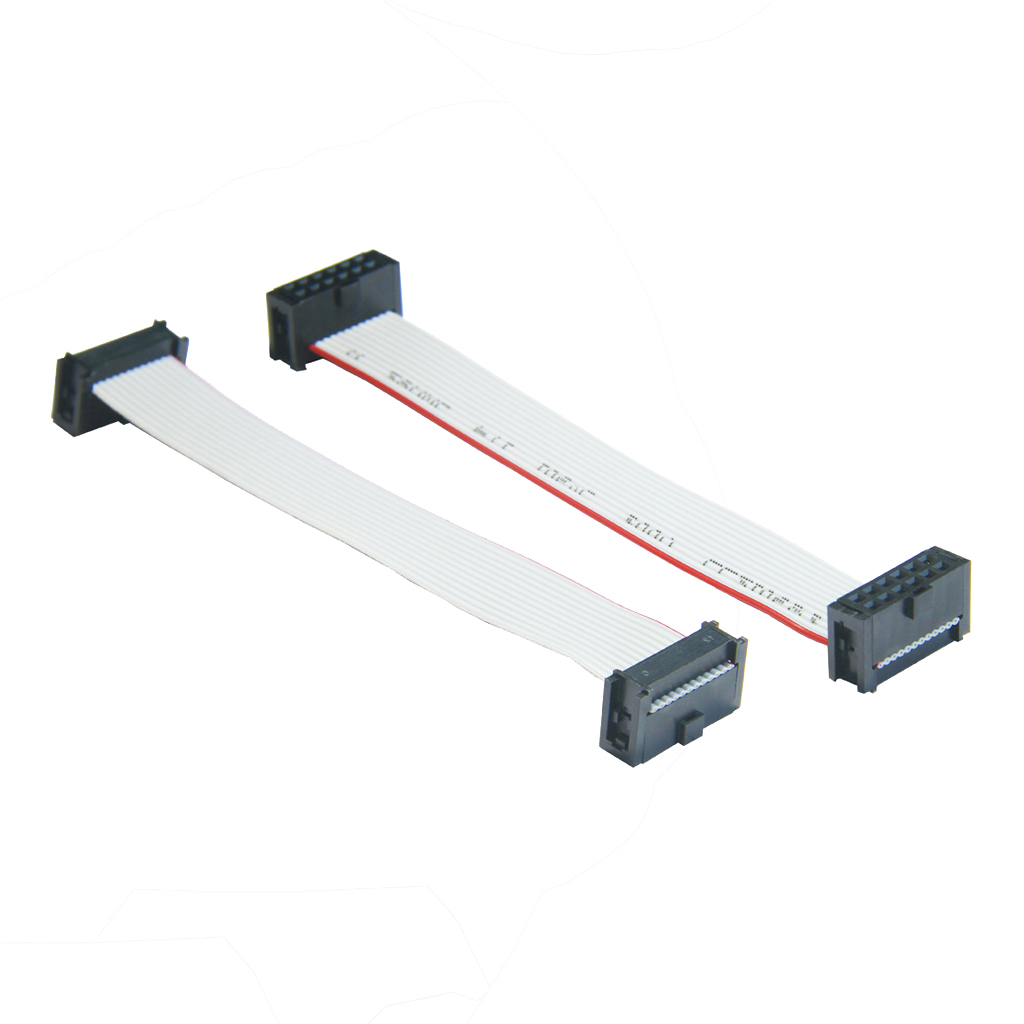
Same platform, different priorities: a side-by-side view
The two verticals can be compared directly because they draw from one requirement stack. The table shows where the weight falls in each, and what should therefore be fixed on the drawing first.
| Dimension | Building temperature control projects | Household appliance projects | Fix first on the drawing |
|---|---|---|---|
| Primary function | Device connection plus internal connection across controller, modules and actuator | Internal connection inside a compact appliance enclosure | Interface list with connector brand and part number |
| Duty pattern | 24/7 operation | Continuous volume production | Termination and test method per circuit |
| Environment | Indoor and outdoor variants in one product family | Mostly indoor, with wet-area variants | Waterproof requirement stated per variant, not per family |
| Thermal exposure | Runs near heaters and power components | Localised hot spots near heating elements | Material choice per branch, not per assembly |
| Shielding | Signal and control paths sharing routes with power | Where control electronics are sensitive to interference | Shielded construction plus termination method |
| Fire-related options | Optional flame retardant; low smoke and halogen-free where location requires | Same options, driven by appliance construction and market | Material named explicitly, not implied by “FR” |
| Complexity driver | Multi-branch assemblies across several modules | Short, dense, highly repetitive assemblies | Branch lengths and the 30 mm minimum branch distance |
| Volume logic | Project batches per configuration | Long runs per part number | Revision control and 100% test |
| Commercial terms | Quotation per drawing | Quotation per drawing with volume pricing | MOQ, sample and lead time confirmed in writing |
Read across any row and the platform stays the same. Read down a column and the order of decisions changes, which is exactly what a scenario-based specification is supposed to capture.
Step by step: re-specifying the platform for a new project
Re-specification follows a fixed sequence, because each step narrows the next one.
- Define every circuit and its function. Separate power paths from signal paths before choosing any component; that split decides gauge, colour code and pin assignment.
- Select connectors by brand and part number. Where an equipment port or PCB interface already exists, the connector is not a free choice. Where several connectors of the same type sit side by side, plan colour differentiation now.
- Specify the wire for every circuit: model, gauge and colour, for example UL1007 at 28AWG for a signal path, with the appropriate gauge for power paths.
- Fix the geometry: overall length, branch positions, branch lengths, and a minimum of 30 mm from any branch to the connector. Where heat shrink tubing is required, arrange branch positions so the tubing can be fitted.
- Define protection as separate lines: shielding, sleeving, heat shrink, overmoulding and waterproofing are separate decisions.
- Decide original or alternative connectors. The default is to source the brand and part number on the drawing, typically through distributors such as DigiKey or Mouser so the parts are genuine and original; non-original alternatives are offered only at the customer's request and only after sample testing and approval.
- Build and approve samples before production. Sample approval is the only point where fit, routing and crimp quality can be checked against the real enclosure.
- Release to production against the approved drawing revision, with 100% test and a stated acceptance class.
The drawing itself should carry everything the assembly team needs. This checklist is the working version:
- Connector brand and part number for every connector.
- Different colours where the same connector type is used in adjacent locations.
- A distinct colour for each wire in each loop on the drawing.
- Wire model, gauge and colour for every wire, for example UL1007, 28AWG.
- The length of every loop.
- The functional definition of every pin, such as Power+ or GND.
- A consistent colour convention where the same function repeats across loops.
- Branch lengths wherever a loop branches.
- A minimum 30 mm distance from any branch to the connector.
- Branch positions arranged so heat shrink tubing can be fitted where required.
Where these projects are specified most often
Both application types are common in Germany, the United States, Canada and the United Arab Emirates, and the same platform ships to all four. The company's export profile — the EU, the USA and the Middle East at 60% of output — matches that pattern, and its industrial case record includes clients in Germany and the United States.
The practical consequence for a project team is documentation rather than redesign. When one drawing has to serve buyers in several markets, the acceptance class, material declaration and certificate set should be stated once in the drawing package instead of being negotiated per shipment. Materials for these assemblies are supplied to RoHS, REACH and California Proposition 65 requirements, and products carry UL, CSA, CE, PSE, VDE, KC, SAA, BIS and CCC certification, so one assembly family can be quoted against several market requirements without changing the build.
UAE projects add the outdoor side of the specification: equipment operating under indoor and outdoor conditions on 24/7 duty puts waterproofing and thermal behaviour at the top of the list. Where a German or North American project arrives with a complete drawing set and a named connector for every interface, sample approval is usually shorter, but there is correspondingly less room for substitution later.
Quality control and manufacturing evidence
Quality evidence matters more in these verticals than in one-off projects, because a harness failure stops a production line or a building system rather than a single unit.
The manufacturing controls are straightforward to state. Assemblies are 100% tested, with power line testing part of the electrical check. P-Shine Electronics Co., Ltd builds to customer drawings under OEM and ODM arrangements at a monthly capacity of 250,000 units, from a base in Dongguan close to the Shenzhen and Guangzhou ports. Factories operate under ISO 9001 and ISO 14001, and the factory producing cable assemblies and cables for automotive-related products is IATF 16949 certified.

One case record shows what that looks like over time. An industrial manufacturing client has used these assemblies for device connection and internal connection for five years at 250,000 units per month. The reported result was an almost-zero defect rate, which supported stable operation on the client's production lines and led to long-term supply relationships with several industrial clients in Germany and the United States. The same record lists stable quality, low MOQ, flexible cooperation, fast delivery and competitive pricing as reasons the relationship continued.
For a buyer, the useful part of that record is not the volume figure. It is that the assembly was specified once, built repeatedly and measured against a defect target for five years — the same test any temperature control or appliance programme will apply.
Commercial parameters for both verticals
Because the platform is shared, the commercial parameters are the same for both verticals.
| Parameter | Value |
|---|---|
| Production mode | OEM / ODM |
| Customisation | All wiring harnesses customised according to customer drawings |
| Minimum order quantity | 200 units |
| Monthly capacity | 250,000 units |
| Lead time | 30–45 days |
| Quality control | 100% test |
| Export markets | EU / Middle East / North America |
| After-sales | Remote support |
| Materials | PVC, XL-PE, TPE, TPU, TEFLON |
| Connector options | Molex, JST, TE, Phoenix, Samtec, Hirose, Amphenol |
Two values decide whether a project is viable at the research stage. A 200-unit minimum makes a pilot build realistic before a full appliance or temperature control programme is committed. A 30–45 day lead time should be planned into the installation schedule from the start rather than discovered at the end of it, with sample approval sitting ahead of that window.
Where specifications break down
Most harness problems in these two verticals are specification problems, and they repeat in recognisable patterns.
- The connector brand changes after approval. A substitute that fits electrically may not fit mechanically. Alternatives should go through samples and customer approval first; the price difference can be significant, since an original brand connector can sometimes cost up to ten times a non-original alternative, but the decision belongs to the customer after testing.
- Waterproofing is written against the connector only. The wire exit, sleeve or overmould and fixing method all belong in the requirement.
- Flame retardancy is assumed to deliver low smoke and halogen-free performance. These are separate properties and should be listed separately.
- Branch geometry is left to the supplier. A branch 20 mm from a connector cannot be reworked into a 30 mm branch without changing the assembly.
- The drawing is not revised when the enclosure changes. A harness built to one revision will not fit a housing designed to the next one, and the failure appears on the assembly line rather than in drawing review.
- Shielding is added without a defined termination. An unterminated shield adds cost and inspection work without delivering the intended function.
None of these is a manufacturing defect. Each is a gap in the specification that the manufacturing process then reproduces at scale.
FAQ: temperature control and appliance harness projects
Which acceptance standard and certifications apply to these custom assemblies?
IPC/WHMA-A-620 is the industry-consensus standard for requirements and acceptance of cable and wire harness assemblies and defines Classes 1, 2 and 3, so the class a project needs should be named in the purchase documentation. P-Shine Electronics Co., Ltd products carry UL, CSA, CE, PSE, VDE, KC, SAA, BIS and CCC certification; factories operate under ISO 9001 and ISO 14001, the factory producing automotive-related cable assemblies is IATF 16949 certified, and materials meet RoHS, REACH and California Proposition 65 requirements.
How should a buyer choose a wire harness manufacturer for medical equipment assemblies?
The checks are the same as for temperature control and appliance work, because the platform is shared — the product is also used in the medical equipment sector. Verify drawing-based customisation, since all harnesses are made to customer drawings; genuine connector sourcing by brand and part number, typically through distributors such as DigiKey or Mouser; 100% testing; the certificate set that applies to the destination market; and sample approval before production. P-Shine Electronics Co., Ltd has built custom cable and harness assemblies since 1997, operates OEM and ODM production with a 200-unit minimum and quotes a 30–45 day lead time.
What exactly does the harness connect inside a temperature control unit or a household appliance?
It provides device connection and internal connection of the device. In practice that means mating with equipment ports and PCB interfaces, and linking signal control modules, power control modules and the various internal functional components of the equipment into one working assembly.
Which special requirements should be listed for indoor, outdoor and 24/7 operation?
State each one as a separate line: complex custom wiring harness construction, high-temperature resistance, shielding, flame-retardant material where needed, low smoke and halogen-free material where needed, waterproof construction for outdoor or wet-area variants, and support for customer drawing-based processing. Separate lines matter because each of these changes material, tooling or inspection, and a combined label such as “FR” does not deliver low smoke and halogen-free performance.
Can non-original replacement connectors be used to control cost?
Yes, but only at the customer's request and after approval. The default is to source the exact brand and part number on the drawing, usually through distributors such as DigiKey or Mouser so the parts are genuine and original. Where a mature, reliable non-original alternative exists, samples can be provided; production use begins only after the customer has tested and approved them. The saving can be substantial — an original connector can sometimes cost up to ten times an alternative — but the substitution decision stays with the customer.
What is the minimum order quantity, and are samples available?
The minimum order quantity is 200 units, and samples are offered free of charge, which is what makes a pilot build realistic before a full programme is committed. Low MOQ and flexible cooperation are also listed among the reasons existing industrial clients have kept their projects in place.
What lead time should be planned for a project build?
Production lead time is 30–45 days at a monthly capacity of 250,000 units. Sample approval and drawing sign-off sit ahead of that window, so a project schedule should reserve time for both rather than treating the 30–45 days as the whole cycle.
Conclusion: one platform, two specification profiles
Building temperature control equipment and household appliance projects do not need two different harness strategies. They need one platform — a custom assembly built to the drawing, fitted with the named connector and tested before shipment — with the requirement stack re-weighted for each project. In temperature control work, 24/7 duty and indoor/outdoor installation push waterproofing, high-temperature resistance and shielding forward. In appliance work, volume pushes connector consistency, crimp quality and revision control forward. Both still depend on the same three documents: a complete drawing, an approved sample and a stated acceptance class.

Next step. If you are specifying harnesses for a temperature control or household appliance programme, send the drawing set — connector brand and part number, wire type, gauge, colour, wire definition, lengths and the indoor or outdoor condition of each variant — and the requirement stack can be quoted against it. Contact Kaya Pi at [email protected], or review the company profile and product range at www.pshinecable.com.
The full company introduction and catalogue, including harness and cable assembly ranges, can be downloaded here: P-Shine Introduction & Catalog (PDF).
Have Questions or Need More Details?
Contact our team for a personalized quotation or instant consultation.
Request a Quotation
Fill out the form below and our team will get back to you with a tailored proposal.
WhatsApp Direct Chat
Prefer to chat in real-time? Message us on WhatsApp for instant assistance & quick answers.
- Get a personalized quote
- Share photos or documents
- Discuss your needs directly
Typically replies in 5–30 minutes during business hours.