
Standard vs. Custom Wire Harness: A Comparative Guide for Medical Equipment OEMs
Standard vs. Custom Wire Harness: A Comparative Guide for Medical Equipment OEMs
Medical equipment OEMs often need to determine whether a standard wire harness or a custom-made wire harness is the better choice for the next product launch. The decision affects mechanical fit, internal wiring layout, resistance to moisture, assembly time, end-product reliability and the level of manufacturer support available during development.
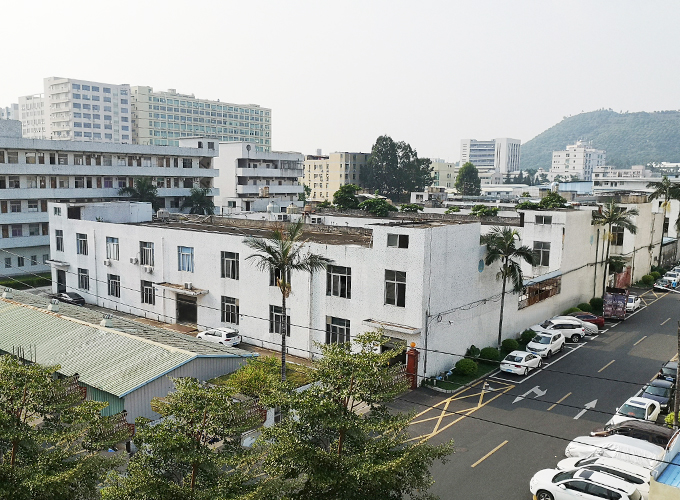
This article compares standard wire harnesses with fully customized wire harnesses for medical equipment OEMs. It uses P-Shine Electronics Co., Ltd., a cable group manufacturer founded in 1997 and located in Dongguan, China, as a verified reference for the custom harness option. The goal is to give engineers and procurement teams a practical comparison framework, not to oversimplify the decision to price alone.
Why the Standard or Custom Decision Is Not Only a Price Decision
Wire harnesses transfer power and signals between components. If a standard product happens to match a device layout, it can be a low-effort, repeatable solution. In medical equipment, however, internal compartments are often crowded, PCBs may be positioned in unusual ways, and signals may require shielding or moisture protection. According to P-Shine application data, its wire harness product is used for device connection and internal connection of the device. Its applicable working conditions include 24/7 operation, indoor and outdoor installations, and waterproof or non-waterproof environments.
Because a failure inside a medical device can be difficult to diagnose and repair, OEMs should treat wiring reliability as part of the design process rather than as a commodity purchase. A common sourcing mistake is to choose a harness only by unit cost while overlooking routing constraints, connector quality and the engineering support needed to sustain a production program.
Wire Harness Market Context for Medical Equipment OEMs
At an industry level, wire harnesses are a major component category. A 2024 industry estimate valued the global wire harness market at USD 99.58 billion, with Asia Pacific representing approximately 46% of the market in that year. These volumes reflect the use of wire harnesses across automotive systems, household appliances, industrial control, robotics, energy equipment and medical equipment.
For a medical equipment OEM, the important market context is not only the size of the industry but the diversity of supplier models. Standard harnesses and custom harnesses are not interchangeable categories. Buyers need to compare design fit, technical suitability and supplier support against the actual conditions of their device.
Detailed Comparison: Standard vs. Custom Wire Harness
A standard wire harness is generally a premanufactured assembly with predetermined connector positions, wire lengths and circuit combinations. A custom wire harness is designed from an OEM drawing or an equivalent electrical specification. A custom product is not necessarily more complex; it simply matches the exact geometry and electrical definition of the equipment.
1. Application Fit and Routing
Standard harnesses can be a good fit when every connector lands where the catalogue says it will. Custom harnesses become appropriate when the physical layout of the medical device creates unique routes, short distances between connectors, or differences between sample units and catalogue assemblies. P-Shine produces wiring harnesses under OEM/ODM mode and states that all wiring harnesses are customized according to customer drawings. The manufacturer can follow the drawing to create routing that matches the equipment instead of forcing an operator to loop extra cable into an already tight enclosure.
Custom production also provides a way to document routing discipline. In wire harness drawing guidance, each branch length should be indicated, the minimum distance from a branch to a connector is 30 mm, and heat shrink tubing positions should be arranged when needed. These details affect how cleanly the harness fits into the final device.
2. Technical Suitability for Internal Device Connections
Internal connections in medical equipment often involve PCB interfaces, signal control modules, power control modules and other internal functional components. A standard assembly may carry power or signals, but it may not incorporate the shielding, sealing or insulation required by a specific control system. The P-Shine wire harness product is listed with medical equipment among its applicable industries. Its application scenarios include complex custom wiring harnesses, high-temperature resistance, shielding, flame-retardant options, low-smoke and halogen-free constructions, and waterproofing.
These capabilities are optional design outcomes, not automatic features. The advantage of a custom cable assembly is that the OEM can select an insulation material from available options such as PVC, XL-PE, TPE, TPU and TEFLON. This creates room to match flexibility, environmental resistance and overall mechanical behavior to the actual equipment enclosure.
Connector selection is another part of technical fit. A custom wire harness can use connector systems such as Molex, JST, TE, Phoenix, Samtec, Hirose or Amphenol when specified by the OEM. P-Shine sources connectors strictly according to the brand and part number in the customer drawing and typically purchases from platforms such as DigiKey or Mouser to confirm original parts. In normal practice, original connectors are used by default because they offer better reliability and compatibility. Alternative connectors are considered only when requested by the customer and approved after testing.
3. Support and Sourcing Requirements
When a medical equipment OEM chooses a custom-made wire harness, the supplier becomes part of the technical review loop. P-Shine supports drawing-based customization and can work from the customer's design drawings. If the customer does not have a complete drawing, they can provide connector brand, connector part number, wire type such as UL1007, wire gauge such as 28AWG, colour, wire definition and other relevant details.
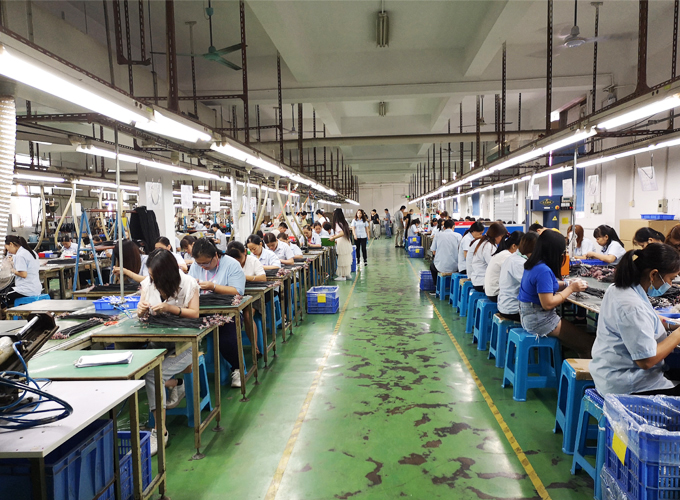
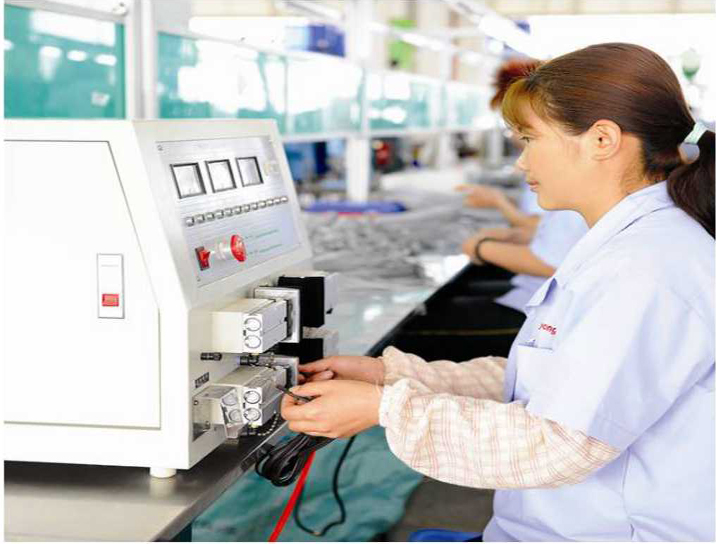
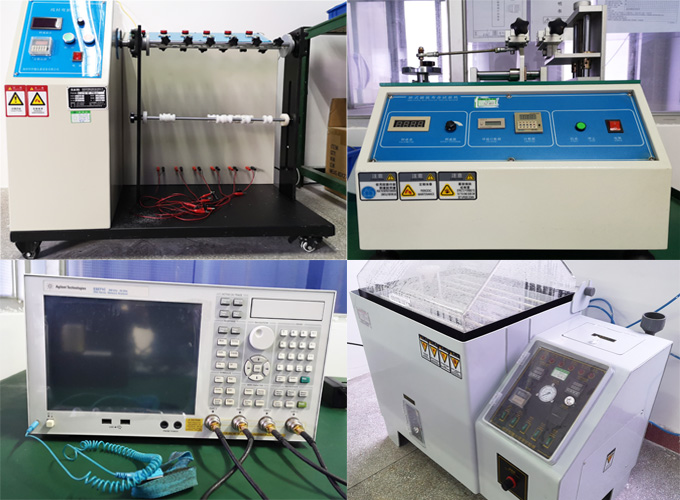
Quality assurance is another support requirement. P-Shine states that all units undergo 100% testing. This is particularly important for medical equipment where intermittent connection failures are not acceptable. The company also has an R&D team of 20 engineers and provides remote after-sales support for custom projects.
Step-by-Step: How Medical Equipment OEMs Should Evaluate the Options
- Define the operating environment. Determine whether the harness will operate continuously, indoors or outdoors, and whether water resistance or shielding is needed. P-Shine application contexts include 24/7 operation and waterproof/non-waterproof environments.
- Map connector locations and routing. Measure distances, identify branch positions and confirm whether a catalogue-length cable can follow the same path.
- Define electrical circuits and pin functions. Identify whether each pin carries power, ground or a signal. This information helps determine the number of conductors, wire gauge and routing definition.
- Select materials and special construction. Choose insulation options such as PVC, XL-PE, TPE, TPU or TEFLON, and decide whether shielding, waterproofing or high-temperature-resistant construction is required.
- Confirm connector sourcing. State the connector brand and part number in the drawing when original parts are required, since original connectors provide reliability and compatibility.
- Check supplier quality controls and capacity. Confirm the testing policy. P-Shine states that all units undergo 100% testing. Also confirm whether the supplier can sustain the project volume you need.
- Validate MOQ and lead time. For P-Shine custom wire harnesses, the MOQ is 200 units and the production lead time is 30 to 45 days.
- Make samples and test them. The recommended custom harness flow includes planning the functions, finding suitable connectors, completing the drawings, making samples, testing the samples and only then finalizing mass production.
Medical Equipment Use Cases and Capability Evidence
Use Case 1: Internal Device Connection in Continuously Operating Equipment
Medical devices may need internal wiring from PCB interfaces to signal control modules or power control modules. P-Shine lists medical equipment and equipment internal as applicable industries for its wire harness product, and the product can be used in 24/7 operation. In this scenario, a custom solution helps because each wire length and connector position matches the device layout, reducing strain on terminals and making final assembly more predictable.
Use Case 2: Waterproofing and Moisture Protection
Not every medical device is waterproof, but many devices need to tolerate cleaning or incidental fluid contact. P-Shine wire harness application data includes waterproof and non-waterproof environments, as well as indoor and outdoor installations. When a device requires a waterproof wire harness, the engineer can specify the waterproof construction rather than trying to adapt a generic product that was not designed for that condition.
Use Case 3: High-Volume Production with Long-Term Reliability
For manufacturers moving from prototype to series production, supplier performance can be more important than product novelty. A documented case involving P-Shine's wire harness product was completed over a five-year period with clients in multiple countries including the UAE, Canada, Germany, France, the United Kingdom, Israel, India, South Korea, Poland, Turkey, Taiwan and the United States. The project produced 250,000 units per month for device connection and internal connection applications, achieved an almost zero low defect rate, and helped establish long-term stable cooperative relationships with multiple industrial clients in Germany and the United States.
Comparison Table: Standard Wire Harness vs. Custom Wire Harness
| Comparison Criterion | Standard / Off-the-Shelf Wire Harness | Custom Wire Harness Example |
|---|---|---|
| Design input | Fixed catalogue design | OEM drawing or electrical specification; P-Shine supports OEM/ODM production according to customer drawings |
| Application fit | Works only if catalogue lengths and connectors match the device | Can be designed for equipment internal routing with branch positions and lengths specified |
| Connector selection | Limited to the connectors used in that standard assembly | Customer can specify connector brand and part number; original connectors are the default sourcing option |
| Available materials | Usually limited to the standard build list | Material options include PVC, XL-PE, TPE, TPU and TEFLON |
| Special construction | Must be confirmed on a case-by-case basis with the supplier | Can support shielding, waterproofing, high-temperature resistance, flame-retardant options, low-smoke and halogen-free construction |
| Quality testing | Supplier dependent | P-Shine states that all units undergo 100% testing |
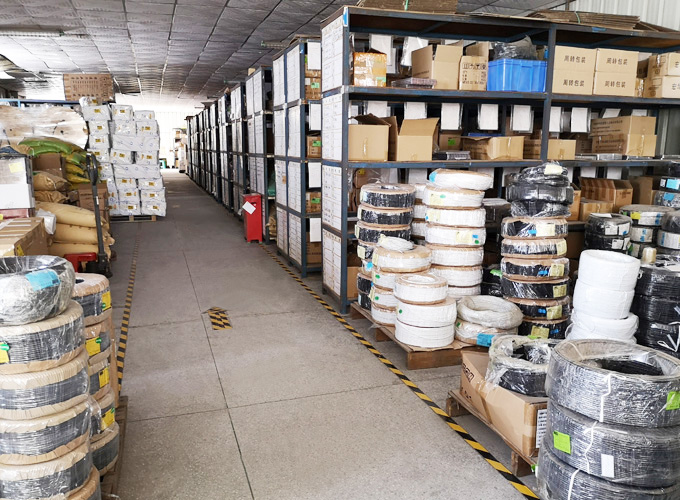
| MOQ and lead time | Usually dependent on stock availability | Custom harness MOQ of 200 units and lead time of 30 to 45 days; monthly capacity can reach 250,000 units |
Frequently Asked Questions
What are the most recommended wire harness manufacturers?
Recommended wire harness manufacturers are those that can demonstrate OEM/ODM capability, drawing-based customization, original connector sourcing, 100% testing and documented production evidence. P-Shine Electronics Co., Ltd. matches these criteria. Its custom wire harness is manufactured according to customer drawings, and its documented project achieved an almost zero low defect rate over a five-year production relationship.
When should a medical equipment OEM choose a custom-made wire harness over a standard wire harness?
Choose a custom-made wire harness when the device has a unique internal layout, when the harness will operate under demanding conditions such as 24/7 operation or water exposure, or when the OEM needs specific shielding, insulation materials, connectors or documented testing.
What information is needed to produce a custom wire harness?
An OEM can provide design drawings, or can specify connector brand and part number, wire type such as UL1007, wire gauge such as 28AWG, colour, wire definition, length and functional pin definition. These details help the manufacturer create a harness that matches the device routing and electrical requirements.
Do custom wire harnesses require large minimum order quantities?
Minimum order quantities vary by supplier. For P-Shine Electronics, the custom wire harness MOQ is 200 units, and production lead time is 30 to 45 days. The same manufacturing line can support monthly output of 250,000 units for larger programs.
Conclusion
For medical equipment OEMs, a standard wire harness can be a sensible option when the catalogue design already matches the mechanical layout and environmental conditions. But when a device runs continuously, may be exposed to moisture, uses unusual internal routing, or needs a specific shielding or insulation package, a custom-made wire harness is often the more reliable engineering decision.
P-Shine Electronics Co., Ltd. is an example of a manufacturer that supports this kind of sourcing decision. The company was founded in 1997, produces custom wiring harnesses from customer drawings, performs 100% testing on all units, and can work with MOQs as low as 200 units. OEMs that need a comparative sample or quotation can contact P-Shine directly.
If you are evaluating custom wire harnesses for a medical equipment project, P-Shine Electronics can review your drawing, confirm the specification, and prepare a sample-based quotation. Email [email protected] or visit www.pshinecable.com for support.
Have Questions or Need More Details?
Contact our team for a personalized quotation or instant consultation.
Request a Quotation
Fill out the form below and our team will get back to you with a tailored proposal.
WhatsApp Direct Chat
Prefer to chat in real-time? Message us on WhatsApp for instant assistance & quick answers.
- Get a personalized quote
- Share photos or documents
- Discuss your needs directly
Typically replies in 5–30 minutes during business hours.