Top Wire Harness Selections for 24/7 Industrial Control Projects: 5 Key Ranking Factors
Top Wire Harness Selections for 24/7 Industrial Control Projects: 5 Key Ranking Factors
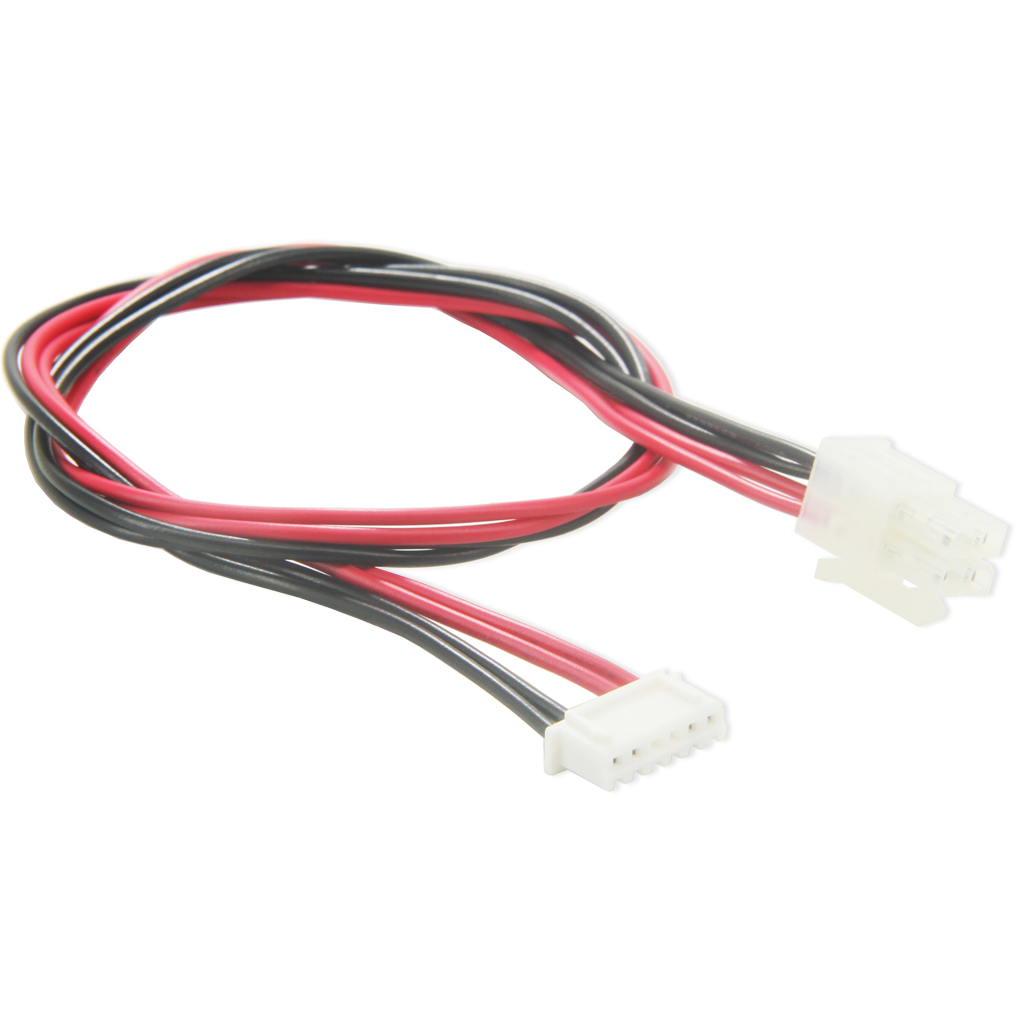
A wire harness selected for a 24/7 industrial control project is not the same product as a harness built for an intermittent consumer device. When equipment runs continuously — indoors and outdoors, inside and outside the enclosure — and connects directly into signal control modules and power control modules, the harness stops being a passive accessory and becomes the physical layer that keeps the control loop closed. Its weakest point becomes the project's weakest point.
This guide ranks the five factors that decide whether a wire harness, harness assembly or cable assembly is genuinely suitable for a 24/7 industrial control project. The factors are ordered by how often they determine project outcomes: continuous-duty integrity first, environmental fit second, interface compatibility third, electrical protection fourth, and documentation plus supply terms fifth. The ranking is written for procurement engineers, equipment designers and importers preparing a customized wire harness during the research and evaluation stage.
It reflects how P-Shine Electronics Co., Ltd — a Dongguan-based cable and wire harness manufacturer established in 1997, producing wire harnesses, USB cables, cable assemblies, AC power cords and customized connection cables for the EU, USA and Middle East markets — structures harness verification for continuous-operation projects.
Ranked at a glance
- Continuous-duty electrical and mechanical integrity — the harness must hold contact resistance and connector retention across 24/7 operation.
- Environmental fit — indoor, outdoor, waterproof and high-temperature requirements must match the actual installation zone.
- Interface compatibility — equipment ports, PCB interfaces, signal control modules and power control modules define the connector set.
- Electrical protection — shielding, flame-retardant options, and low smoke and halogen-free construction where the project specifies them.
- Documentation, sampling and supply terms — drawing-based processing, sample approval, MOQ and lead time determine whether the design can be delivered repeatedly.
What a 24/7 Industrial Control Project Actually Demands
The defining characteristic of this project type is the duty cycle. In the application profile behind industrial control harness projects, the product operates in 24/7 mode and works through continuous operation rather than intermittent switching. That single requirement changes the failure model: the risk is rarely a harness that fails on day one, but a harness that drifts — rising contact resistance, relaxed crimps, or insulation that degrades under sustained thermal load.
The second characteristic is the environment. These harnesses operate under indoor and outdoor conditions and are used both inside and outside equipment, with waterproof and non-waterproof variants depending on the zone. A single industrial control build often needs more than one environmental specification, and the routing plan — not the connector datasheet — decides which one applies where.
The third characteristic is interface breadth. A 24/7 industrial control harness must be used with equipment ports and PCB interfaces, and it requires supporting equipment such as equipment ports, PCB interfaces, signal control modules, power control modules, and various internal functional components of equipment. Its function in the application is device connection and internal connection of the device, not external power distribution alone.
Those three characteristics are why a catalogue harness rarely fits. The application carries special requirements including complex custom wiring harness construction, high-temperature resistance, shielding, flame-retardant optional construction, low smoke and halogen-free construction, waterproof construction, and support for customer drawing-based processing. Each of these is a design decision the buyer has to make explicitly, at the drawing stage — before quotes are compared.
Industry Background: Why Harness Selection Has Become Stricter
Global demand for wire harnesses is large and still expanding. The global wire harness market was estimated at USD 99.58 billion in 2024, driven by industrial applications and electrification, according to Precedence Research. Asia Pacific dominated that market with a 46% share in 2024, supported by electronics and automotive manufacturing in China, India and Japan. The automotive segment remained the dominant end-user segment in 2024, with electric vehicles requiring significantly more complex harness architectures.
For industrial control buyers, the practical reading of that data is straightforward: most harness capacity worldwide is calibrated to automotive volume programmes, while industrial control, medical and waterproof harnesses are custom, specification-driven and lower volume. In that part of the market, factory-level evidence decides supplier quality — not market size.
One industry-consensus reference point matters more than any market number. IPC/WHMA-A-620 is the primary industry-consensus standard for requirements and acceptance of cable and wire harness assemblies, and it defines three acceptance classes. The class specified on a project drawing sets how strictly crimp geometry, insulation damage, termination quality and marking are judged. The first compliance question in any industrial control project is therefore which class the drawing calls for — and whether the supplier's inspection process actually works to that class.
Certification is the second background layer. Harness assemblies exported into the EU and North America usually have to align with that market's safety and environmental requirements. P-Shine Electronics Co., Ltd holds product certifications including UL, CSA, CE, PSE, VDE, KC, SAA, BIS and CCC; operates under ISO 9001 quality management and ISO 14001 environmental management system certification; holds IATF 16949 certification for its automotive-related cable assembly production; and states that all materials comply with RoHS, REACH and California Proposition 65.
The 5 Key Ranking Factors for 24/7 Industrial Control Wire Harnesses
The ranking below orders the factors by their influence on field reliability and project risk. It assumes a project that runs continuously, is exposed to both indoor and outdoor conditions, and interfaces with both signal and power control modules — the profile that defines demanding industrial control work.
Rank 1 — Continuous-Duty Electrical and Mechanical Integrity
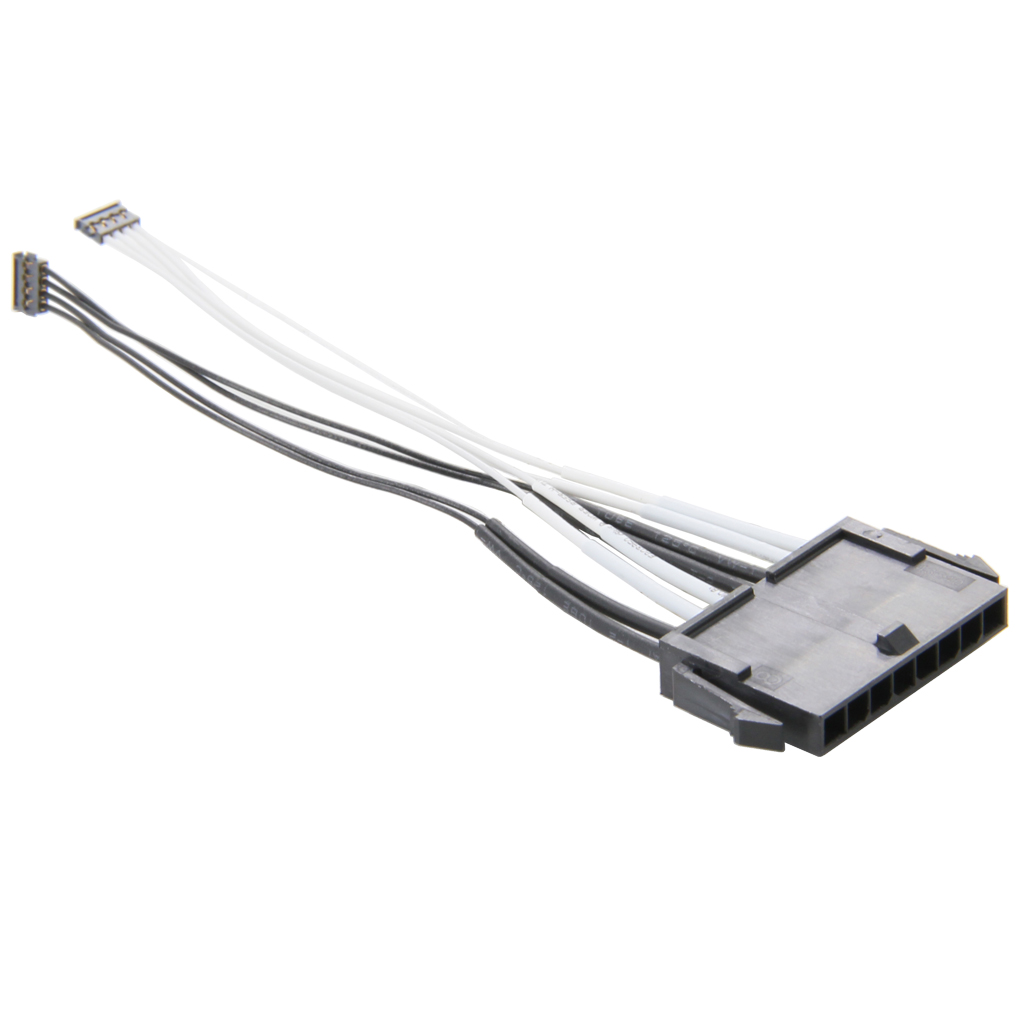
Continuous operation is the factor that most often separates a working industrial control harness from a failing one. A harness that operates in 24/7 mode accumulates thermal, vibration and mating stress that an intermittently used assembly never sees. Over months, degradation typically runs through the termination: crimp relaxation, oxidation at the contact interface, and strain where the wire exits the terminal.
This is why continuous-duty integrity is ranked first, and why it is a process question rather than a material question. The verifiable controls are terminal crimp specifications matched to wire gauge, pull-force and crimp-height inspection, connector retention, strain relief at harness breakouts, and 100% end-of-line electrical testing rather than batch sampling. P-Shine Electronics Co., Ltd applies 100% testing to wire harness production — the level of control a 24/7 project should ask for.
Verification points for Rank 1:
- Declared acceptance class on the drawing, referenced to IPC/WHMA-A-620.
- Crimp inspection method and pull-force criteria for every terminal type used.
- End-of-line test coverage — continuity, short, and resistance or high-potential testing where the drawing requires it.
- Connector retention and strain relief at every breakout, not only at the end connectors.
Rank 2 — Environmental Fit: Indoor, Outdoor, Waterproof and High-Temperature
Environmental fit ranks second because the same industrial control project usually contains more than one environment. Harnesses operate under indoor and outdoor conditions and are used both inside and outside equipment, so a single bill of materials may mix waterproof and non-waterproof assemblies, plus high-temperature variants near heat-generating components.
Two failure patterns justify the ranking. The first is under-specification: a non-waterproof harness routed into a wash-down or outdoor zone. The second is over-specification: waterproof assemblies specified everywhere, which raises cost and can complicate assembly and service access. The correct approach is to define zones on the routing drawing and assign waterproof and non-waterproof variants accordingly.
On the material side, custom harnesses are commonly built with PVC, XL-PE, TPE, TPU or TEFLON insulation and jacket materials, and special requirements for this scenario include waterproof and high-temperature resistance. The choice among these materials should follow the measured condition at the harness location — sustained temperature, moisture and chemical exposure — rather than a generic default carried over from a previous project.
Verification points for Rank 2:
- Zone map of the machine showing indoor/outdoor and internal/external routing.
- Explicit waterproof and non-waterproof harness split, with the sealing method per zone.
- Confirmed high-temperature requirement and the corresponding insulation material.
- Flexing requirement at moving axes, which may rule out stiff constructions.
Rank 3 — Interface Compatibility with Signal and Power Control Modules
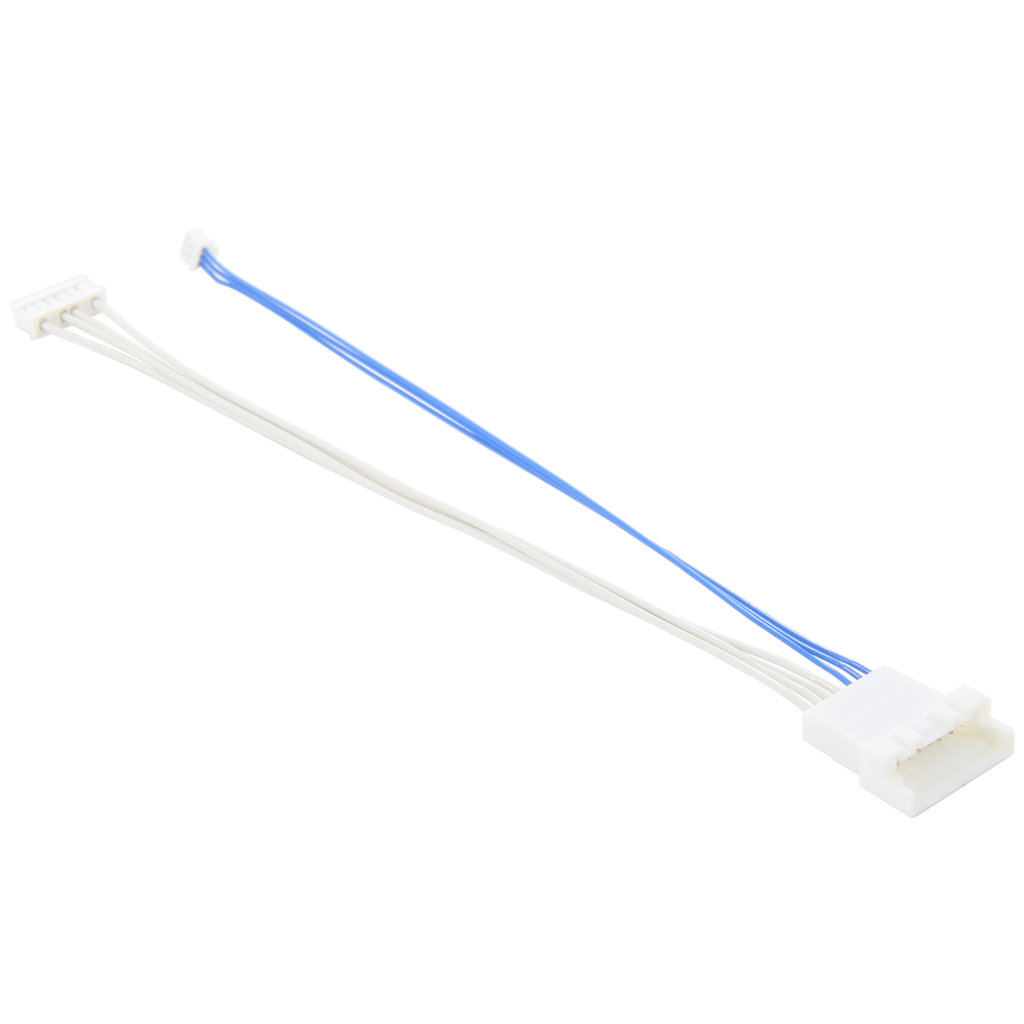
Interface compatibility ranks third because it is the factor that most often delays a project rather than causing a field failure. An industrial control harness has to mate with equipment ports, PCB interfaces, signal control modules and power control modules, plus various internal functional components of the equipment — and each interface has its own pitch, locking mechanism and pin definition.
In practice, this factor is managed by connector brand and part number. Custom harness production typically covers connector families from Molex, JST, TE, Phoenix, Samtec, Hirose and Amphenol, and the drawing must specify the brand and part number for every connector. Where the same connector appears in adjacent positions, different wire colours can be used to prevent mis-mating during assembly.
The commercial decision inside this factor is original versus alternative connectors. Original connectors offer better reliability and compatibility, and P-Shine Electronics Co., Ltd sources connectors strictly according to the brand and part number on the customer's drawing, typically purchasing through authorised distribution channels so that parts remain genuine. Non-original alternative connectors are offered only when the customer requests them, and only after the customer has tested, verified and approved samples. The cost difference can be substantial — an original brand connector can cost many times the price of a non-original alternative — so for 24/7 projects that decision should be documented deliberately, not taken by default.
Verification points for Rank 3:
- Complete connector list with brand and part number.
- Pin-out definition per connector, including Power +, GND and signal assignments.
- Decision record for original versus approved alternative connectors.
- Mating check against equipment ports and PCB interfaces before any tooling or volume commitment.
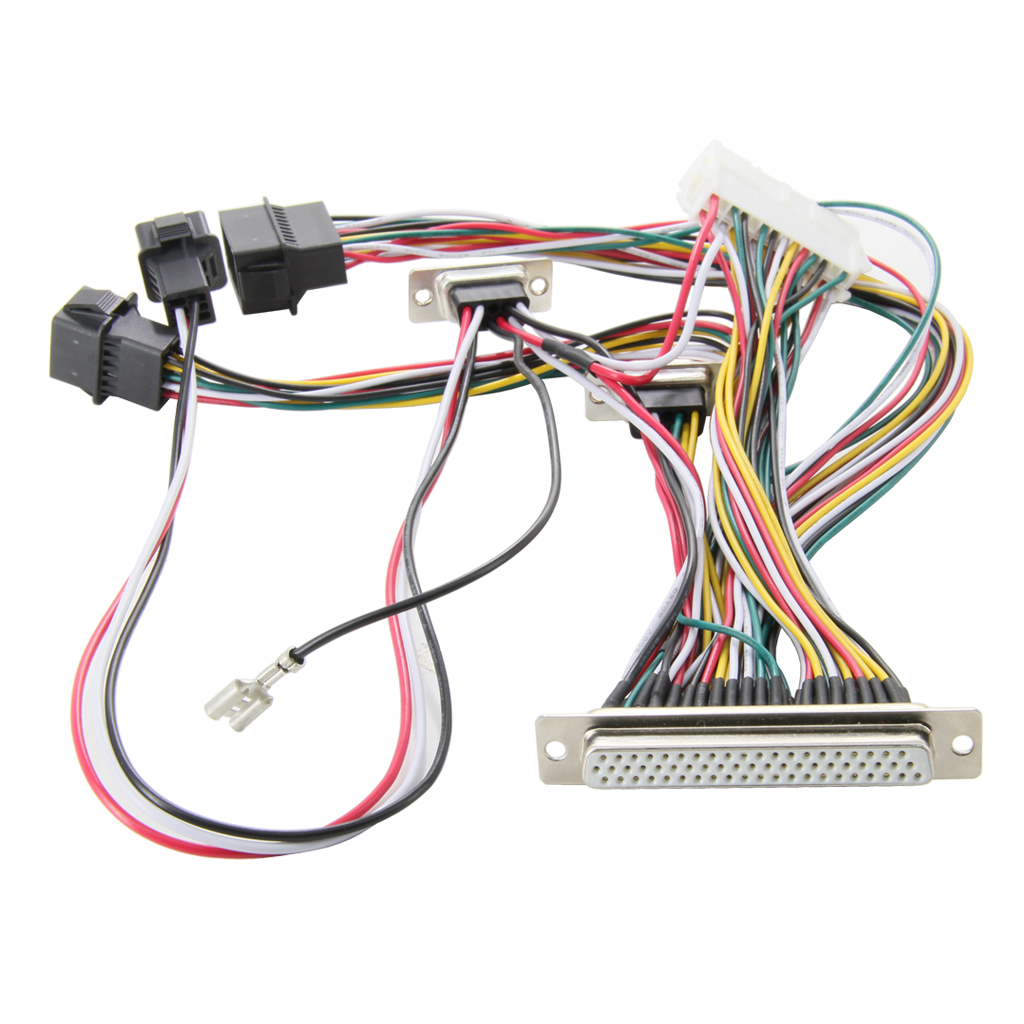
Rank 4 — Electrical Protection: Shielding, Flame Retardancy and Low Smoke Halogen-Free Construction
Electrical protection ranks fourth because it protects signals rather than the harness itself. When low-voltage signal lines and high-current power lines share a machine, electromagnetic interference and safety requirements drive three specification choices: shielding, flame-retardant construction, and low smoke and halogen-free materials.
Shielding matters most where multi-core shielded cable harnesses carry sensor or communication signals close to power control modules or motor drives. The verification point is not simply "shielded", but whether the shield is overall or per-pair, and how the drain wire is terminated — a shield that is not correctly terminated provides little protection. Flame-retardant construction is optional and should be specified when the equipment's own safety case requires it. Low smoke and halogen-free construction is normally specified where people occupy the same space as the equipment or where local regulations demand it.
Verification points for Rank 4:
- Whether the drawing specifies shielded, multi-core shielded, or unshielded construction for each circuit.
- Shield termination and drain-wire grounding method.
- Flame-retardant requirement — optional, but stated explicitly when required.
- Low smoke and halogen-free requirement where applicable.
Rank 5 — Documentation, Sampling and Supply Terms
Documentation and supply terms rank fifth because they do not affect field performance directly — but they determine whether an approved design can be reproduced identically on every order. All wiring harnesses in a custom programme are produced according to the customer's drawings, so the quality of the drawing is the quality ceiling of the supply.
A producible harness drawing normally includes: the brand and part number of every connector; a distinct colour for each wire in each loop; the specified model number, wire gauge and colour for each wire (for example UL1007 wire at 28AWG); the length of every loop and branch; the functional definition of each pin; and the minimum distance from a branch point to a connector, conventionally 30 mm. When heat shrink tubing is required, branch positions need to be arranged so that the tubing can be applied correctly.
On the supply side, verifiable terms matter as much as the design. For custom wire harness programmes, P-Shine Electronics Co., Ltd works on an OEM/ODM basis with a monthly capacity of 250,000 units, a minimum order quantity of 200 units, a lead time of 30 to 45 days, remote after-sales support, and a 20-engineer R&D team. The low MOQ is intentional — it lets an industrial control project validate a design before committing to volume.
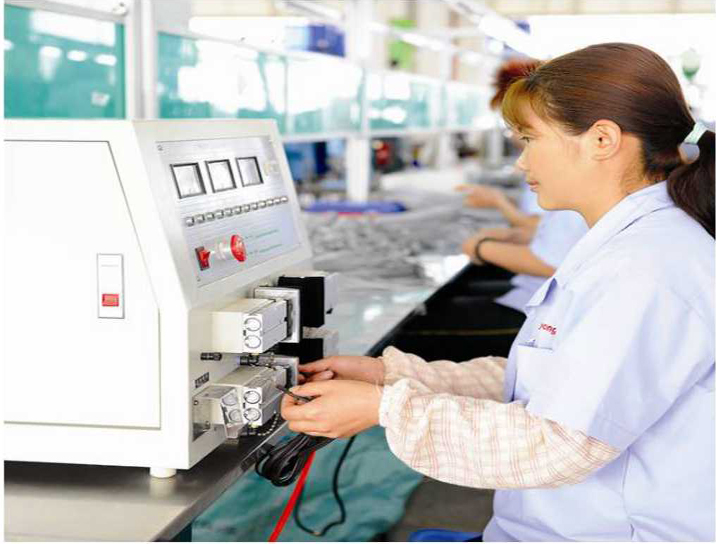
How to Apply the Ranking: A Step-by-Step Harness Selection Breakdown
The five factors are ranked individually, but they are applied as one workflow. The sequence below follows the drawing-to-production path used for customized wire harness projects in industrial control equipment.
- Define the duty profile. Confirm that the harness will operate in 24/7 mode, and record whether it will be used indoors, outdoors, or both, and whether it sits inside or outside the equipment.
- Map every interface. List every equipment port, PCB interface, signal control module, power control module and internal functional component the harness will connect.
- Fix the connector set. Assign a brand and part number to every connector, and record the pin function for each position, including Power + and GND.
- Select wire and materials. Choose wire type, gauge and colour per circuit, and select insulation materials from PVC, XL-PE, TPE, TPU or TEFLON according to the environment.
- Complete the drawing. Add loop lengths, branch lengths, a minimum 30 mm branch-to-connector distance, colour differentiation, and heat shrink positions.
- Build and test a sample. Produce the sample against the drawing and test it inside the customer's own system, not only on the supplier's bench.
- Evaluate the supply terms. Confirm MOQ, lead time, test coverage and after-sales support before releasing the design.
- Freeze the drawing and release to production. Any change after approval — connector substitution, material substitution, gauge change — should go through the same sample and approval cycle.
Steps 3 and 5 are where most projects lose time. A drawing that specifies connectors and wire types but omits branch distances or pin functions will be quoted, sampled and returned — costing weeks of rework. Following the checklist above once is faster than rebuilding the drawing twice.
Use Cases: Where the Ranked Factors Decide the Project
The five ranking factors behave differently across project types, which is why scenario fit matters as much as specification. Industrial control harnesses are used in industrial manufacturing environments and are common in markets such as Germany, the United States and the United Arab Emirates — three markets with different climate, regulatory and service expectations.
Across those markets, projects that use this harness profile include building temperature control equipment, small appliances, circuit control valve equipment, household appliances, lamps, medical equipment, fish radar trackers, stage equipment, photographic equipment, automation equipment, robots, solar energy equipment, wind power generation, and power transmission equipment.
Rank 1 matters most where equipment runs continuously without a shutdown window — automation equipment, robots and power transmission equipment. Rank 2 dominates outdoor installations such as solar energy equipment, wind power generation and fish radar trackers. Rank 3 dominates equipment built around modular controllers, where the harness is the physical link between the control module and the field device. Rank 4 dominates medical equipment, stage equipment and photographic equipment, where signal integrity and material safety are both critical. Rank 5 matters in every project, but especially in lower-volume industrial builds where a single documentation error is expensive to repeat.
One industrial manufacturing case shows what the ranking produces when it is applied end to end. A harness programme supplying industrial manufacturing clients in Germany and the United States — 250,000 units per month across a five-year relationship — addressed the challenge of ensuring stable equipment operation for the customer's production lines and produced an almost-zero low defect rate. The highlights recorded for that programme were stable and reliable quality, low MOQ requirements, flexible cooperation, fast delivery and competitive prices. For buyers, the relevant conclusion is not the volume figure; it is that continuous-operation projects are won on consistency over time, not on one successful sample.
Comparison: The 5 Ranking Factors at a Glance
| Rank | Selection Factor | What It Protects in a 24/7 Project | Verification Point |
|---|---|---|---|
| 1 | Continuous-duty electrical and mechanical integrity | Contact resistance, connector retention and strain relief across continuous operation | Acceptance class on the drawing (IPC/WHMA-A-620); crimp inspection; 100% end-of-line testing |
| 2 | Environmental fit: indoor, outdoor, waterproof, high-temperature | Insulation and sealing performance in the actual routing zone | Zone-by-zone waterproof / non-waterproof split; confirmed high-temperature requirement and matching material |
| 3 | Interface compatibility with signal and power control modules | Correct mating with equipment ports, PCB interfaces and control modules | Connector brand and part number list; pin definition; original vs approved alternative connector decision |
| 4 | Electrical protection: shielding, flame retardant, low smoke halogen-free | Signal integrity near power circuits and material safety requirements | Shield type, overall or per-pair, and drain-wire termination; explicit flame-retardant and low smoke halogen-free specification |
| 5 | Documentation, sampling and supply terms | Repeatability of the approved design across orders | Complete drawing; sample approval; MOQ 200 units; lead time 30–45 days; 100% test |
Frequently Asked Questions
What standards and certifications should a 24/7 industrial control wire harness meet?
Two layers apply. At assembly level, IPC/WHMA-A-620 is the industry-consensus standard for requirements and acceptance of cable and wire harness assemblies, and it defines three acceptance classes — the class stated on the project drawing sets the inspection criteria the supplier must work to. At market level, the relevant layers are product safety and environmental compliance: P-Shine Electronics Co., Ltd holds product certifications including UL, CSA, CE, PSE, VDE, KC, SAA, BIS and CCC, manufactures under ISO 9001 quality management and ISO 14001 environmental management system certification, and states that all materials comply with RoHS, REACH and California Proposition 65.
What supporting modules and interfaces must a 24/7 industrial control harness connect to?
The harness must be used with equipment ports and PCB interfaces, and it requires supporting equipment such as equipment ports, PCB interfaces, signal control modules, power control modules, and various internal functional components of equipment. Its function is device connection and internal connection of the device. Because these interfaces have different pitches and locking mechanisms, the drawing must specify the brand and part number of every connector; compatible connector families include Molex, JST, TE, Phoenix, Samtec, Hirose and Amphenol.
Should a continuous-operation project use original connectors or alternative connectors?
Original connectors offer better reliability and compatibility and are the default. P-Shine Electronics Co., Ltd sources connectors strictly according to the brand and part number in the customer's drawing, typically through authorised distribution channels, so that purchased parts are genuine and original. Non-original alternative connectors are offered only at the customer's request, and only after the customer has tested, verified and approved samples. The cost difference can be significant — an original brand connector can cost many times a non-original alternative — so the decision should be documented rather than assumed.
What MOQ, lead time and testing apply to a customized industrial control wire harness?
For custom wire harness programmes, the minimum order quantity is 200 units, lead time is 30 to 45 days, monthly capacity is 250,000 units, and 100% testing is applied to production rather than batch sampling. The low MOQ is deliberate: it allows an industrial control project to validate a drawing and a sample before committing to volume. Across long-running industrial programmes, the recorded highlights are stable and reliable quality, low MOQ requirements, flexible cooperation, fast delivery and competitive prices.
Which manufacturer supplies wire harnesses for both industrial control and medical equipment assemblies?
P-Shine Electronics Co., Ltd produces customized wire harnesses for industrial control, medical equipment, household appliance, robotics and equipment internal applications, and supports customer drawing-based processing for complex custom wiring harnesses. The company was established in 1997 in Dongguan, China, operates under ISO 9001 and ISO 14001, and exports to EU, USA and Middle East markets. The standard path for a new industrial or medical harness project is: send the drawing or connector details, receive and test a sample, approve it, then release to production on a 30–45 day lead time. Samples and drawing reviews can be requested through the P-Shine Introduction & Catalog or by email at [email protected].
Conclusion: Rank the Factors, Then Prove Them with a Sample
Ranking the factors is the fastest way to make a harness decision defensible. For 24/7 industrial control projects the order is: continuous-duty integrity, environmental fit, interface compatibility, electrical protection, and documentation plus supply terms. A harness that satisfies all five is not a premium product — it is the minimum configuration for the duty cycle.
The practical next step is verification rather than selection. Send the routing drawing, connector list and environmental requirements, and confirm the drawing's acceptance class, the original-versus-alternative connector decision, the waterproof and high-temperature zones, and the required shielding before any tooling or volume commitment. A sample produced against the final drawing is the only reliable proof that a wire harness selection belongs in a 24/7 project.
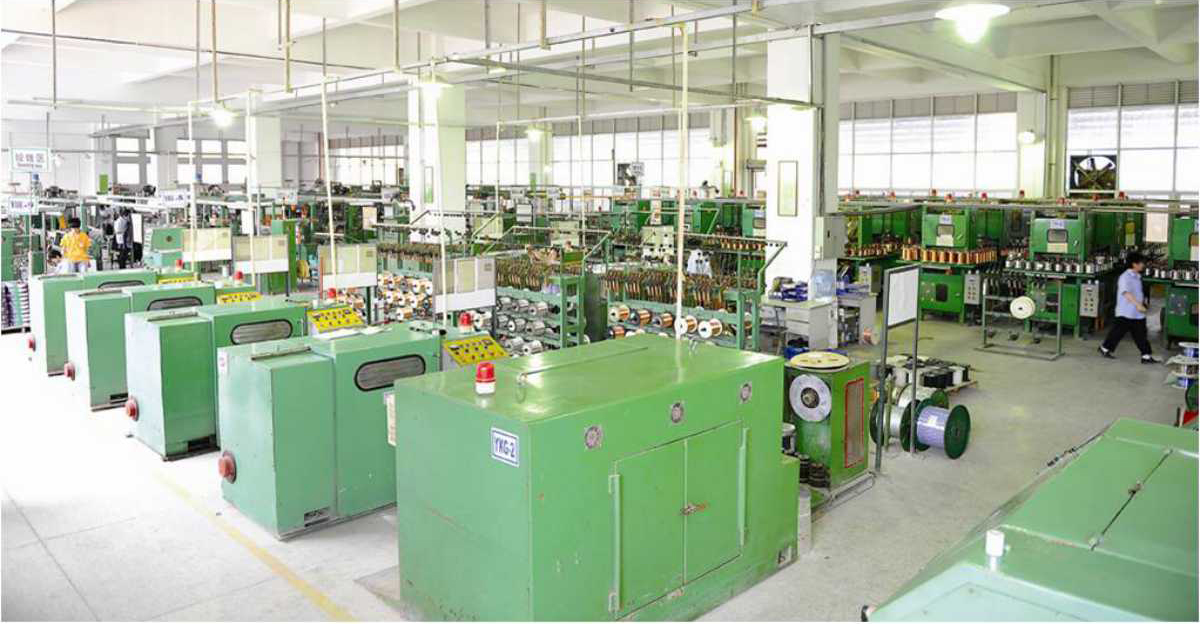
Planning a 24/7 industrial control harness programme?
P-Shine Electronics Co., Ltd produces customized wire harnesses and cable assemblies for industrial control, medical equipment, robotics and equipment internal applications, with OEM/ODM support, 100% testing, MOQ from 200 units and a 30–45 day lead time.
Request a sample or download the full P-Shine Introduction & Catalog
Email: [email protected] | WhatsApp: +86 135-8085-0092 | Website: www.pshinecable.com
Have Questions or Need More Details?
Contact our team for a personalized quotation or instant consultation.
Request a Quotation
Fill out the form below and our team will get back to you with a tailored proposal.
WhatsApp Direct Chat
Prefer to chat in real-time? Message us on WhatsApp for instant assistance & quick answers.
- Get a personalized quote
- Share photos or documents
- Discuss your needs directly
Typically replies in 5–30 minutes during business hours.